(702) 577-3702 BOOK ONLINE
Emergency?

Cosmetic Dentistry

Veneers in Mountain's Edge, Nevada

Custom-crafted porcelain veneers designed to correct chips, gaps, and discoloration while preserving the natural character of your smile.

Cosmetic Dentistry

Veneers in Mountain's Edge, Nevada

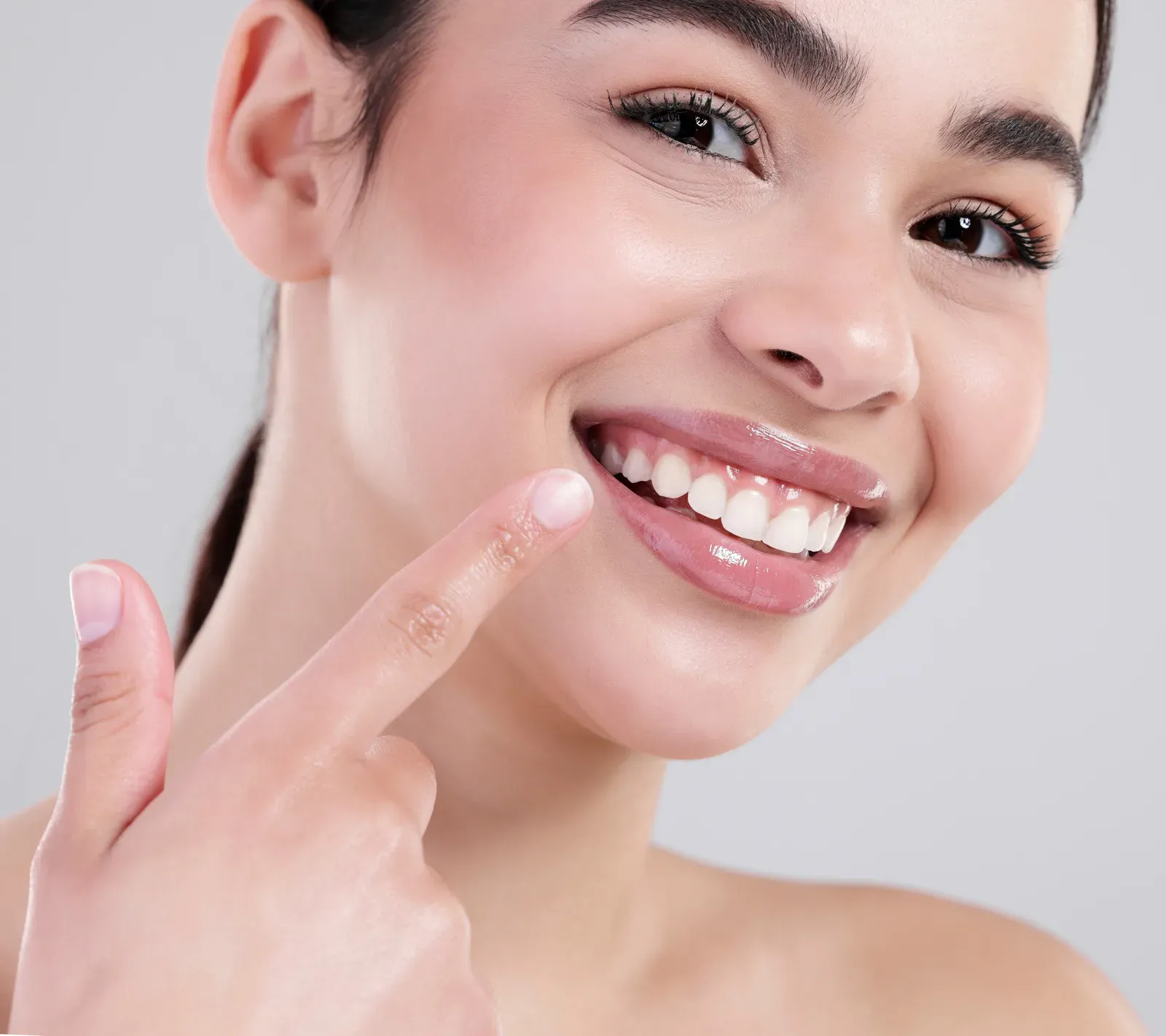
A chipped front tooth, a stubborn gap, or enamel that never quite responded to whitening can shape how often you smile in photos, at work, or across the dinner table. Veneers give us a way to correct those concerns directly, without reshaping your entire bite or committing to years of orthodontic movement. Each veneer is a thin shell, usually porcelain, bonded to the front surface of a tooth to change its shape, length, or color while the healthy tooth structure underneath stays largely intact.

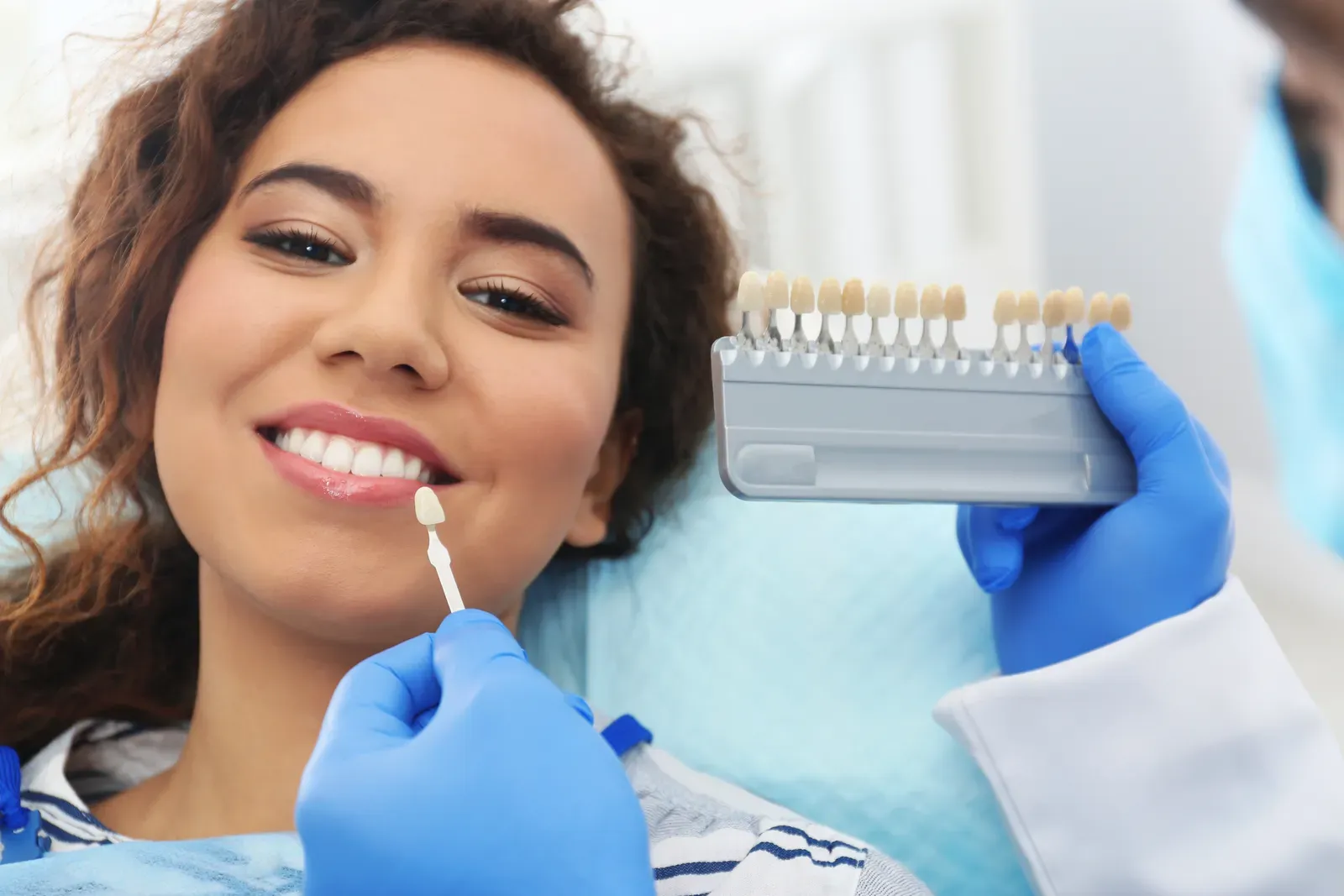
At Elevate Dental, we treat veneers as a precision restoration, not a one-size shortcut. Every case starts with a detailed look at your bite, gum line, and facial proportions so the final shells look like they belong in your mouth, not like an obvious cosmetic add-on. We take the time to match shade, translucency, and edge shape to your natural teeth so the result reads as a healthier version of your own smile rather than a different one.

Patients in Mountain's Edge come to us after years of covering their mouths when they laugh, avoiding certain camera angles, or simply feeling tired of a smile that doesn't match how they feel on the inside. We want that first consultation to feel like the start of a plan built around your goals, your timeline, and your budget, not a sales pitch.

Schedule a Consultation

Signs Veneers Might Be Right for Your Smile

Veneers address a wide range of cosmetic concerns, and most candidates recognize at least a few of the issues below. The common thread is healthy teeth and gums underneath a surface that no longer reflects that health. A thorough exam confirms whether veneers, or a different cosmetic option, fit your specific situation best.

  • Persistent Discoloration: Stains from coffee, tobacco, medication, or aging that resist professional whitening treatments.
  • Chipped or Worn Edges: Front teeth with small chips or flattened edges from grinding, biting habits, or an old injury.
  • Gaps Between Teeth: Noticeable spacing that you would rather close cosmetically than with lengthy orthodontic treatment.
  • Uneven Tooth Shape: Teeth that are naturally short, pointed, or irregularly shaped compared to their neighbors.
  • Minor Misalignment: Slight rotation or overlap that is more cosmetic than functional and doesn't require braces.
  • Old, Discolored Bonding: Previous cosmetic bonding that has yellowed, stained, or started to wear unevenly.
  • Thin or Worn Enamel: Enamel thinned by acid exposure or wear, leaving teeth looking translucent or grayish at the edges.
  • Asymmetrical Smile Line: A smile where tooth proportions or lengths don't align evenly from side to side.

A professional evaluation matters here because some of these concerns can also signal underlying issues, such as untreated decay or bite strain, that need attention before any cosmetic work begins. We always check the full picture first so your new smile is built on a stable, healthy foundation.

What Leads Patients to Consider Veneers

Most patients don't arrive with a single isolated complaint. Several small factors usually combine over time to make a smile feel less polished than it once was. Understanding these contributing factors helps us plan a veneer design that corrects the whole picture, not just one tooth.

Daily Staining Habits

Coffee, red wine, tea, and tobacco gradually penetrate enamel at a level whitening gel can't reach, leaving a dull or yellowed cast that builds up year after year.

Genetics and Tooth Shape

Natural tooth proportions, spacing, and shade are largely inherited, and some patients are simply born with smaller or unevenly shaped front teeth.

Grinding and Clenching

Nighttime grinding wears down enamel edges and flattens biting surfaces over time, making front teeth appear shorter or uneven across the smile line.

Age-Related Changes

Enamel thins naturally with age, letting the darker dentin layer show through, while years of small chips and micro-fractures accumulate on biting edges.

Acid Exposure

Frequent consumption of citrus, soda, or sports drinks softens and erodes enamel, which can leave teeth looking translucent or unevenly colored near the edges.

Medication History

Certain antibiotics taken during childhood tooth development, such as tetracycline, can cause deep internal staining that no surface whitening will correct.

From First Exam to Your New Smile

Veneer treatment unfolds over a small number of focused visits. We walk through each phase with you before we begin so there are no surprises about timing, sensation, or what your smile will look like at every stage.

1

Initial Consultation & Discussion

We talk through what bothers you about your current smile, look at reference photos if you have them, and discuss realistic outcomes for shade, shape, and number of teeth involved.

2

Comprehensive Clinical Evaluation

Digital X-rays and a full oral exam confirm that your teeth and gums are healthy enough for veneers, ruling out decay, gum disease, or bite problems that need treatment first.

3

Custom Design & Preparation

A thin layer of enamel is gently reshaped to make room for the veneer, impressions or digital scans are taken, and a trusted dental lab crafts your shells to the exact shade and shape we've designed together.

4

Temporary Veneers & Fine-Tuning

While your permanent veneers are being made, temporary shells protect your prepared teeth and give you a preview of your new smile's length and shape in everyday life.

5

Final Bonding & Follow-Up

Once we confirm fit, color, and bite alignment, each veneer is permanently bonded in place, polished, and checked again at a follow-up visit to make sure everything feels natural.

What a Veneer Smile Makeover Actually Changes

Veneers do more than cover up a surface flaw. Done well, they change how your teeth photograph, how they catch light when you talk, and how confident you feel in everyday moments like a job interview or a family event.

A Brighter, More Even Shade

Porcelain holds its color far longer than natural enamel and resists future staining from coffee or wine, keeping your smile consistently bright year after year.

Corrected Shape and Proportion

Chipped edges, short teeth, and uneven lengths are rebuilt to proportions that balance with your lips and facial features rather than standing out.

Closed Gaps Without Braces

Mild to moderate spacing closes in a matter of weeks instead of the months or years orthodontic treatment would typically require.

Everyday Confidence

Patients consistently tell us they smile more freely in photos, speak more comfortably in meetings, and stop editing how wide they let themselves laugh.

Porcelain vs. Composite: Choosing the Right Material

Porcelain veneers are milled or hand-layered by a dental lab from a durable ceramic that mimics the light-reflecting properties of natural enamel. They typically last 10 to 15 years or longer with good care, resist staining almost entirely, and require a thin layer of enamel removal to seat properly. Because the color and translucency are built in during fabrication, porcelain is usually the better choice when correcting significant discoloration or when several teeth need to match seamlessly.

Composite resin veneers are sculpted directly onto the tooth in a single visit using the same tooth-colored material used in cosmetic bonding. They cost less upfront and involve little to no enamel reduction, but the material is softer than porcelain, so it's more prone to staining and chipping over time, typically needing touch-ups or replacement within 4 to 8 years. Composite is often a smart option for a single chipped tooth or for patients who want a reversible, lower-commitment way to test a new smile shape before investing in porcelain.

We walk through both options during your consultation, factoring in how many teeth are involved, your budget, and how long you want the results to last, so the recommendation fits your actual situation rather than a generic default.

Caring for Your Veneers Between Visits

Veneers are durable, but a few daily habits keep them looking sharp and extend the years you'll get out of them. None of this replaces regular checkups, but it makes a real difference between visits.

Brush and Floss Daily

Use a non-abrasive fluoride toothpaste and floss gently around the gumline where the veneer meets natural tooth structure.

Skip Biting Hard Objects

Avoid chewing ice, pen caps, or fingernails, since sudden impact can chip porcelain edges even though the material is strong.

Wear a Night Guard If You Grind

If you clench or grind your teeth at night, a custom guard protects both your veneers and your natural teeth from excess force.

Limit Deeply Pigmented Drinks

Porcelain resists staining well, but the surrounding natural teeth and gumline can still discolor, so rinse with water after coffee or wine.

Keep Up With Routine Cleanings

Regular professional cleanings remove plaque buildup near the veneer margins that daily brushing alone can miss.

Mention Any Changes Promptly

If a veneer ever feels loose, rough, or shows a hairline crack, call us right away rather than waiting for your next scheduled visit.

These habits protect your investment, but they're a complement to professional care, not a substitute for it. Routine exams let us catch small issues with a veneer's edge or bond before they turn into bigger repairs.

"We never rush a veneer case. Taking the extra time upfront on shade matching and shape design is what makes the final result look like it was always part of your smile."
Clinical Team•Elevate Dental
FAQs

Frequently Asked Questions

Answers to the questions we hear most often from Mountain's Edge patients considering veneers.

How long do porcelain veneers typically last?
With consistent brushing, flossing, and routine dental visits, porcelain veneers generally last between 10 and 15 years, and many patients get even longer life from them. Factors like grinding habits, diet, and whether you wear a night guard all influence their lifespan. We check your veneers at every cleaning visit to catch wear or bonding issues early.
Is getting veneers painful?
Most patients describe the process as uncomfortable at worst, not painful. We use local anesthetic during the enamel preparation step, so you shouldn't feel the reshaping itself. Mild sensitivity to hot or cold is common for a few days afterward and usually fades quickly as your temporary veneers settle in.
What's the difference between veneers and dental crowns?
Veneers only cover the front surface of a tooth and are used mainly for cosmetic correction, while crowns cap the entire tooth and are typically used when more extensive structural damage or decay is present. Veneers require less enamel removal and are the better option when the tooth is structurally sound but cosmetically compromised.
Can veneers be whitened once they're placed?
No, porcelain is non-porous and doesn't respond to whitening gel the way natural enamel does, which is exactly why it resists staining so well over the years. This is also why we recommend choosing your desired shade carefully before placement, and it's best to whiten your natural teeth first if other teeth will remain unveneered.
How many veneers do most people get?
It depends entirely on your goals. Some patients choose a single veneer to correct one chipped or discolored tooth, while others opt for six to eight veneers across their upper front teeth for a fully balanced, symmetrical smile line. We'll recommend a number based on what will look natural and proportionate for your specific smile.
Is the enamel removal for veneers permanent?
Yes, traditional porcelain veneers require removing a thin layer of enamel, roughly half a millimeter, which does not grow back. This is why veneered teeth will need a veneer or similar restoration going forward. If you want a more reversible option, we can discuss minimal-prep or composite veneers during your consultation.
Will my veneers look fake or overly perfect?
Not if they're designed carefully. We review shade, translucency, and shape with you using a preview mock-up before any permanent change is made, and we factor in your facial features and natural smile line. The goal is always a result that looks like a healthier version of your own teeth, not a uniform, artificial look.
Do veneers require any special long-term maintenance?
Beyond normal brushing, flossing, and regular dental checkups, veneers don't require any special daily products. We do recommend a custom night guard if you grind your teeth, and avoiding habits like chewing ice or opening packages with your front teeth, since these can chip the porcelain over time.

BOOK YOUR VISIT

Start your family dentistry journey in NV 89178

Join the NV 89178 families who trust Elevate Dental. New patients and emergencies are always welcome.